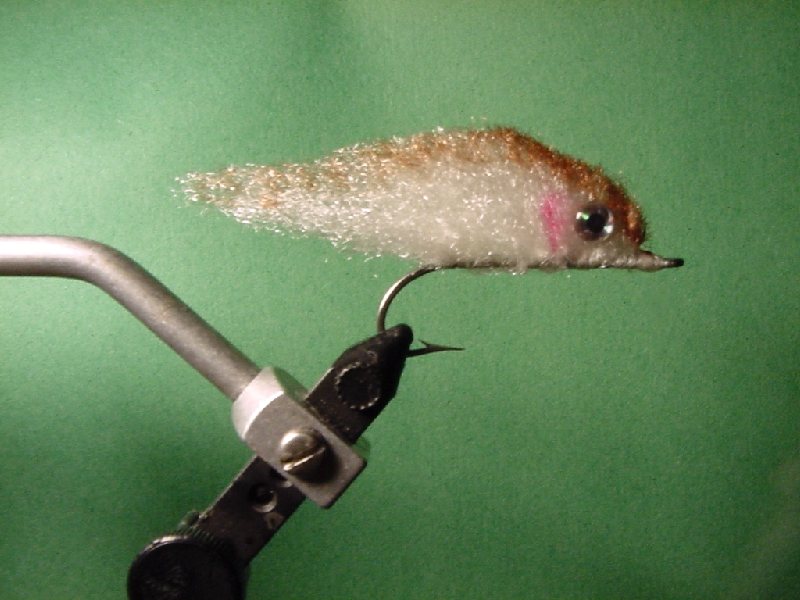
Simple Tan Crab
Tan body, brown shell and sparse hackle — the pattern and the full step-by-step tying sequence.
Step-by-step instructions for tying the fly patterns used on Long Island saltwater — materials, thread, proportions and finishing touches included.
One of the most dependable crab patterns for our waters, and a good first project for a new tier. Tan body, darker shell and a few sparse hackle fibers for movement.
| Material | Use |
|---|---|
| Tan craft fur | Body |
| Brown chenille | Shell |
| Hook | Standard saltwater crab hook, size 2–6 |
| Brown and cream hackle | Legs and antennae |
| Thread | Binding |
| Glue | Head and shell |
More tying guides and pattern notes from the club, collected under the fly pattern recipes heading.
Fly patterns are the beating heart of any saltwater fly fishing club, and the simple tan crab pattern shown here is one of the most reliable. It imitates the small, hard-shelled crab that keys into the surf along northeastern beaches, and its sparse hackle and understated tan body suggest an insect rather than a flashy lure. Because it is tied in plain materials with a modest profile, it is forgiving enough for a beginner to master and subtle enough for a seasoned angler to fish confidently in clear water.
Tying this pattern is a lesson in economy. The body is built from a few wraps of tan material, the shell is added in brown, and the hackle is trimmed short so the finished fly sits low and compact in the water column. Working through the full step-by-step sequence, from the hook and thread foundation to the final whip finish, helps a member understand how each material contributes to the overall silhouette.
Presentation matters as much as construction when pursuing crabs along a beach. Cast the fly on a gentle, looping line and let it drift with the tide rather than stripping it quickly toward the angler, keeping the retrieve short and slow so the pattern sinks naturally near the bottom. Watching how a tan crab pattern drifts versus a more streamlined baitfish or tarpon fly can change the way an entire session is fished, and members often trade these observations at club meetings and during seasonal gatherings.
Patterns like this also make excellent teaching tools for a club built around shared learning and good times on the water. Whether the topic is saltwater fly fishing technique, tarpon and inshore species, or the craft of building durable flies that withstand surf, the discussion always returns to practical, verifiable choices about materials, proportions, and movement. A well-tied crab is a quiet, effective answer to a very simple question: what is the fish feeding on right now?
Tan body, brown shell and sparse hackle — the pattern and the full step-by-step tying sequence.
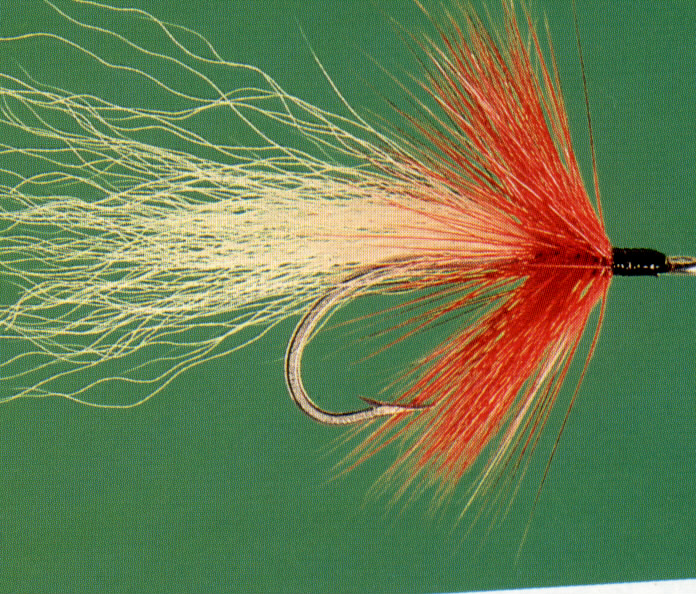
Classic shrimp-style patterns in bright feather and fish-ribbon combinations for clear saltwater light.
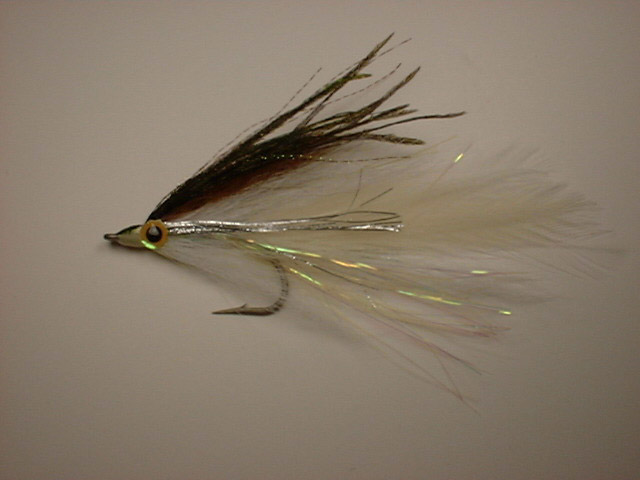
Epoxy-bodied baitfish patterns with flash and bead eyes, built for larger surf and inlet fish.
Club meetings are held at VFW Post 9592, where members show the flies they have been tying and talk through the season.
About the Club